Rafting in the Rain: Why Bad Weather Can Mean Better Adventure
Rafting in the Rain: Why Bad Weather Can Mean Better Adventure
Many travellers assume that rain means a rafting trip will be cancelled, but that is not how rafting works. In reality, rafting is one of the few outdoor activities that can become even more enjoyable in wet weather. In the rafting world, rain is often called liquid sunshine because it can add atmosphere, improve flow, create fun waves and make the whole experience feel more alive.
A rainy forecast also does not automatically mean a full day of bad weather. In the Alps, forecasts often look worse than reality, and a rain icon on your phone is not the same thing as unsafe rafting conditions.
What really matters is river level, not rain alone.
Guests are already dressed for water in warm neoprene gear from top to bottom, so they usually notice the rain far less than they expect.
Meanwhile, guides and trip leaders continuously monitor live conditions, river behaviour and cut-off levels, following formal safety standards and clear operating procedures. That is why rafting remains one of the best bad weather activities in places like Interlaken and Engadin, especially when hiking, biking, paragliding or sightseeing plans are affected by rain, cloud or wind.
And if conditions ever do become too high, a professional operator cancels, postpones or refunds the trip rather than taking unnecessary risks. Sometimes, the day even turns from liquid sunshine into real sunshine, with clearing skies and rainbows over the Swiss Alps.
Rain Is Liquid Sunshine
In the rafting industry, we often call rain liquid sunshine because it makes the experience better in many cases.
Most people associate rain with inconvenience. Rain means hiding under a roof, changing plans or trying to stay dry while rushing through town.
Rafting flips that perspective completely. On the river, water is already part of the experience. You are surrounded by it, moving through it and enjoying it. When rain joins in, it often adds to the atmosphere rather than taking anything away from it.
It can also add energy to the river. More flow, more movement and livelier waves can turn a good rafting trip into an especially memorable one. That does not mean “the more rain, the better” in every situation. It simply means that a rainy day is often not a downgrade at all. Very often, it is what gives the trip its unique mood.
This is one of the reasons rainy rafting trips are so memorable. The mountains feel dramatic, the river feels alive, and guests often come away with a completely different relationship to rain than they had before. What looked like “bad weather” from the hotel window becomes part of the adventure once you are on the water.
Is Rafting Cancelled When It Rains? Not Usually.
No, rafting is usually not cancelled just because it rains.
This is one of the biggest misconceptions guests have before booking. Many outdoor activities become difficult, uncomfortable, or impossible in rainy weather, so people naturally assume rafting works the same way. But rafting is different. Rain alone does not automatically stop a tour, and in many cases, it does not reduce the fun either.
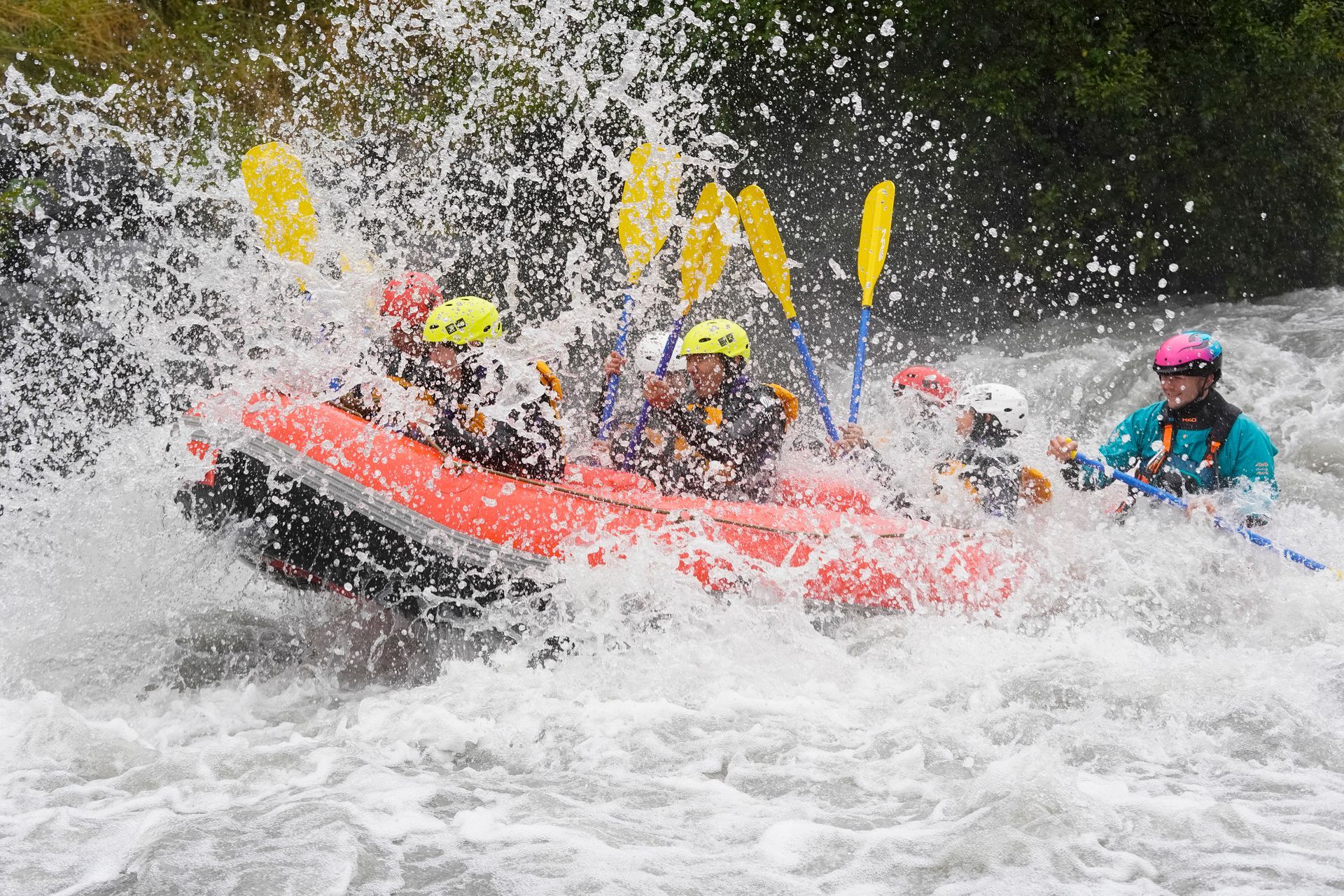
The reason is simple: rafting is already a water-based experience. You are not trying to stay dry, protect a scenic picnic, or wait for perfect visibility. You are suiting up for splash, movement, and adventure. So while rain may be a problem for a hike, a bike ride, or a flying activity, it often changes much less for rafting than people expect.
What matters is not the rain itself, but how the river is behaving and whether conditions remain within safe operating limits. That is why the answer is usually not “It’s raining, so we cancel,” but rather, “We monitor the river carefully, and if the levels stay safe, the tour runs.”
You Won’t Even Feel the Rain
For first-time guests, rain often sounds much worse before the trip than it feels during the trip.
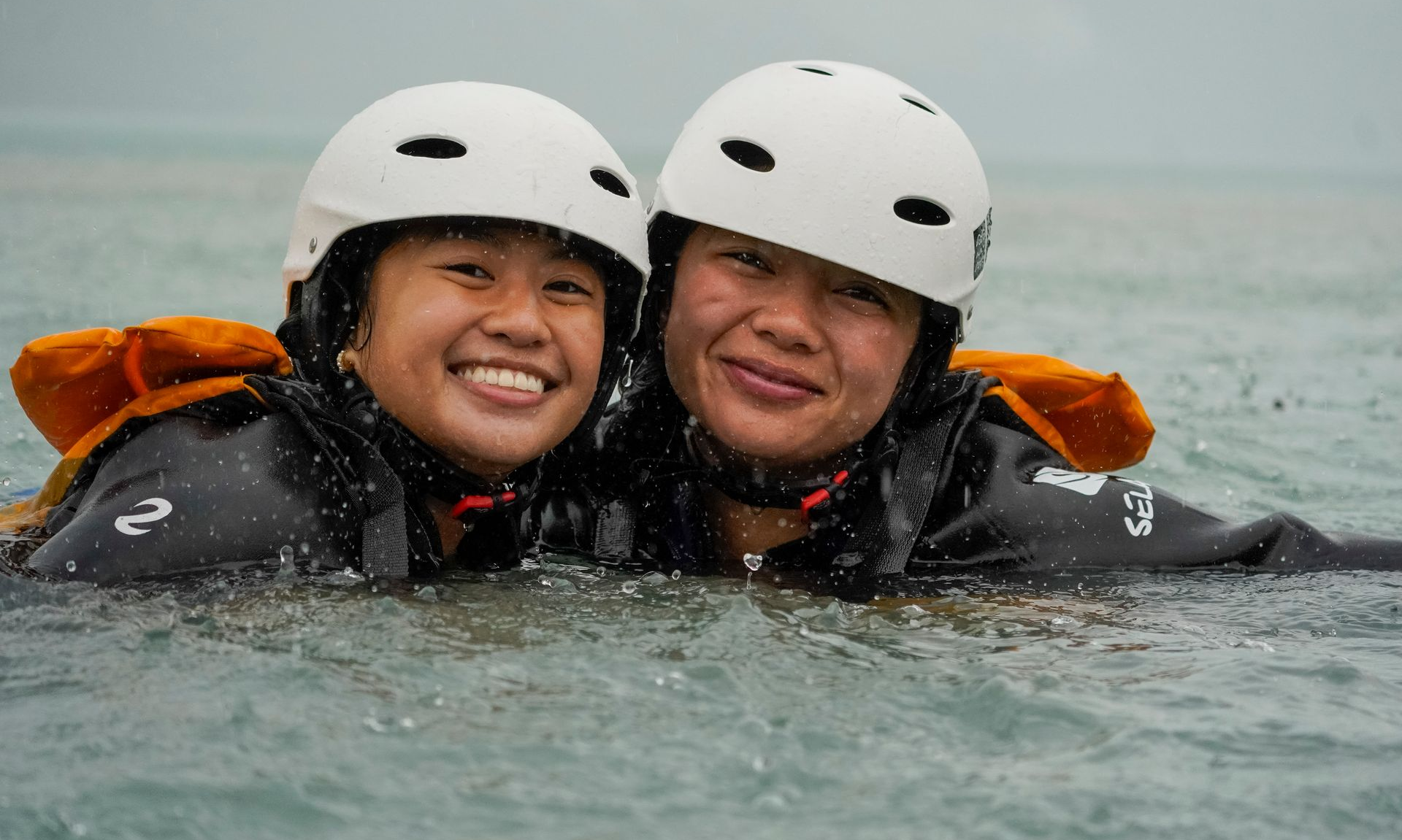
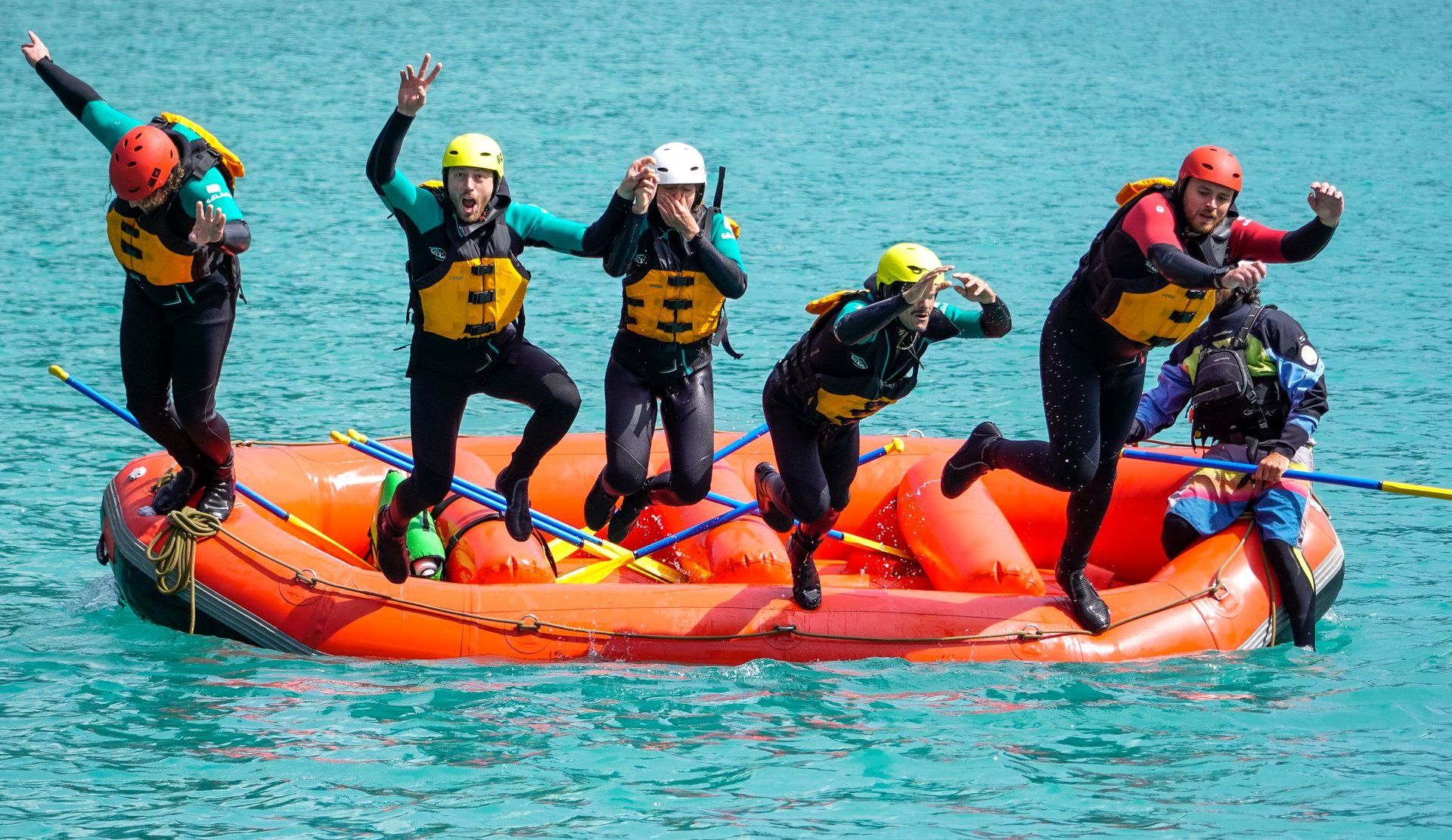
The reason is simple: you are dressed for the water. Guests wear warm neoprene gear specifically designed for being wet. That usually includes neoprene wetsuit pants and jacket, neoprene shoes, a personal flotation device (PFD), and a helmet. In other words, you are preparing for a water sport.
That changes everything.
You get splashed by waves from every direction, and rained on from the sky at the same time. It's a unique and fun feeling that you really just have to experience for yourself.
A common question is whether rafting in bad weather feels cold. In practice, the answer is usually much more positive than expected because the gear is designed for exactly these conditions. You are dressed for the water, not for staying dry.
So no, you generally do not experience rain on a rafting trip the same way you would during a city walk, a hike or a bike ride. On the river, it belongs there.

Rafting Works Whatever the Weather
Rafting is the ultimate weather backup adventure in the Swiss Alps, because so many other activities become difficult, limited, or impossible when the weather turns.
Think about what usually happens on a bad-weather day:
- Hiking trails get slippery,
- Mountain bike trails turn muddy and sketchy,
- Paragliders and hang gliders can get grounded in rain or strong winds,
- That mountain view you were counting on? Gone behind a wall of clouds.
Rafting is different. The experience is built around water. The equipment is built for wet conditions. And the fun does not depend on blue skies in the same way that many other mountain activities do.
That is why rafting becomes the go-to option when plans change:
- No wind for kitesurfing in Engadin? Come rafting.
- Too much wind for paragliding? Come rafting.
- Rainy day? Come rafting.
- Foggy views and no glacier panorama? Spend the day actively on the river while you wait for the weather to clear.
Rafting does not require the kind of perfect visual or flight conditions that many other outdoor sports depend on.
Instead of losing the day, you turn it into an adventure.
Why Interlaken and Engadin Are Ideal for Rainy-Day Rafting
Interlaken and Engadin are particularly good regions for this kind of weather-flexible rafting because they offer local river variety and route flexibility.
In the Interlaken area, the Lütschine and the Simme offer different kinds of rafting experiences. In the Engadin region near St. Moritz, the Inn River adds another strong option. These rivers and sections do not all react in the same way to rain or changing flow. That gives operators room to adapt.
Sometimes a higher level means more action on an easier section. Sometimes calmer sections become especially suitable for families. Sometimes the best solution is not cancelling the day but choosing the most suitable river section for the current conditions.
And because some rivers take time to rise, a rainy forecast does not automatically mean the planned tour window becomes unusable. Again, this is where local expertise matters much more than generic online assumptions.
When Rafting Is a Great Alternative to Canyoning
It is important to make one distinction clear: rafting and canyoning are two different sports.
Both are fun. Both are exciting. Both involve water. But they do not react to the weather in the same way.
Canyoning is more restricted by weather or water conditions. In those cases, rafting can be an excellent substitute.
So if a guest had originally planned canyoning and that plan no longer makes sense due to the conditions, rafting may be the perfect alternative. It still offers adventure, water, teamwork, excitement and a real outdoor experience, but in a format that can often remain workable and enjoyable in weather that affects canyoning more strongly.
What Happens If Water Levels Get Too High?
Although it rarely happens in our region, there are times when water levels become too high to run a tour safely.
If that happens, the decision is straightforward: the tour is cancelled, postponed or replaced with an alternative if possible. Guests receive a full refund cancellation or move to another day. In many cases, the next day is already back to perfect levels.
This is important because it answers another common concern directly: what happens if the water gets too high? The answer is that the operator acts professionally and conservatively, putting the guest’s safety first.
A good rafting company never gambles with safety. If conditions move outside safe limits, the trip does not go ahead.
From Liquid Sunshine to Real Sunshine
One of the most beautiful things about mountain weather is that it can change quickly in a good way, too.
Sometimes the first half of the day is rainy, but the second half opens into sunshine. Sometimes light breaks through the clouds just as you finish the trip. Sometimes you even get the bonus of a rainbow over the Swiss Alps.
That is what makes rafting such a smart choice when the weather is uncertain. Instead of sitting around, waiting and hoping the day improves, you stay active and happy on the river while the sky does what mountain skies often do: change.
If you had planned a glacier visit in the Jungfrau region or hoped to see the Rosegg-Morteratsch glacier in Engadin, patience may still pay off later. The views can become clear when the time is right. Meanwhile, you did not lose the day. You spent it fully active, fully outdoors and fully engaged in the heart of Switzerland.
So if the forecast makes your hike, bike ride, or kite-flying activity feel doubtful, do not assume your adventure day is over.
Choose the activity that was made for water.
Choose the river.
Choose a splashing good experience in the heart of Switzerland.
Safe, fun and full of liquid sunshine.
